


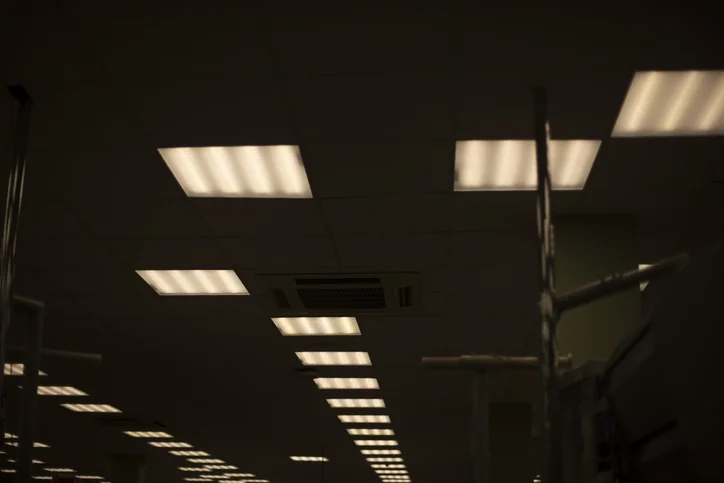
A slip-and-fall can happen in seconds, but the injuries may affect someone for weeks, months, or much longer. In Houston, people routinely enter apartment complexes, stores, restaurants, parking garages, office buildings, and other properties without expecting that a condition on the premises could put them in danger. When an area is poorly lit, a person may have difficulty seeing changes in flooring, curbs, steps, debris, spilled liquid, or other hazardous conditions.
Poor lighting does not automatically make a property owner legally responsible for every fall. However, the condition can become important when it prevents a visitor from seeing a dangerous condition that the property owner knew about or reasonably should have known about. Texas premises liability law generally focuses on the relationship between the injured person and the property owner or occupier, the condition that caused the injury, and whether the owner failed to take reasonable steps to address an unreasonable risk of harm. (Amador Law Firm)
For someone injured in a Houston slip-and-fall, understanding how lighting may factor into the circumstances can be important when determining what happened and whether another party may be responsible.
How Can Poor Lighting Contribute to a Houston Slip and Fall?
Lighting can affect how easily a person can recognize hazards before stepping into an area. A walkway may appear clear from a distance, for example, while a raised portion of pavement, broken flooring, a wet surface, or an unexpected step is difficult to see in too-dark areas.
The issue may also involve more than whether a light was completely turned off. A property may have burned-out fixtures, damaged lights, blocked fixtures, inadequate illumination in a particular area, or lighting that leaves certain portions of a walkway or parking area difficult to see.
Consider a visitor walking through a Houston parking garage after entering a business. If a section of the garage is significantly darker than the surrounding areas and the visitor cannot see a damaged portion of the walking surface, the lighting may become relevant to understanding why the fall occurred.
The condition that caused the fall still matters. Poor lighting by itself does not establish liability. The important question is whether the combination of the lighting and the underlying hazard created a dangerous condition that the responsible party should have addressed.
Does a Property Owner Have to Know About the Lighting Problem?
A property owner is not automatically responsible simply because someone is injured on the property. Texas premises liability claims generally require evidence concerning the property owner’s duty and the dangerous condition involved. For an invitee, Texas courts have described the general duty as requiring the landowner to make the premises safe or warn of concealed, unreasonably dangerous conditions of which the landowner is or reasonably should be aware. (Texas Courts)
That means the history of the lighting problem can matter.
For example, evidence may show that:
- A light had been out for an extended period.
- Employees had previously reported the lighting problem.
- Maintenance personnel had documented the issue.
- A property manager knew a fixture was damaged.
- The area routinely remained dark at certain times.
- Previous complaints had identified visibility problems.
- The property owner had a maintenance system, but failed to address the problem.
These details can help establish what the property owner knew or reasonably should have known before the fall.
What Other Evidence Could Matter in a Houston Lighting-Related Fall?
Evidence can disappear or change after an injury. A broken light may be repaired, a damaged walkway may be replaced, or surveillance footage may eventually be overwritten.
Photographs taken shortly after the incident may help show the property's condition. Photos can be particularly useful when they capture both the hazardous condition and the lighting conditions in the area where the fall occurred.
Surveillance video may also be important. A business, apartment complex, parking facility, or other property may have cameras covering entrances, hallways, sidewalks, elevators, or parking areas. Video may show where the person was walking, what the lighting looked like, and the condition that preceded the fall.
Incident reports, maintenance records, inspection records, employee statements, witness accounts, and communications concerning the property may also provide information about whether the condition existed before the injury.
The medical evidence is equally important. A fall can cause injuries that are not immediately obvious, including fractures, head injuries, back injuries, or other conditions requiring continuing treatment. Medical records can help link the injuries to the incident and document the subsequent treatment.
Can a Property Owner Blame the Person Who Fell?
Property owners and insurance companies may argue that the injured person was partly responsible for the fall. Texas law allows responsibility to be allocated among parties in appropriate cases, meaning the circumstances surrounding a person’s conduct may become part of a premises liability dispute. (Amador Law Firm)
For example, an insurer might question where the person was looking, whether they were carrying something that blocked their view, or whether they should have noticed the hazard.
Those arguments do not necessarily answer the central question of whether a dangerous condition existed or whether the property owner failed to address it. Each case depends on its particular facts.
This is one reason photographs, videos, witness statements, maintenance information, and other evidence can be valuable. They can provide a clearer picture of the conditions rather than relying solely on competing accounts of what happened.
What Should You Do After a Slip and Fall in Houston?
If you are physically able to do so after a fall, document the area as soon as possible. Take photographs of the hazard, the surrounding area, the lighting conditions, and anything else that may help explain what happened.
Report the incident to the property owner, manager, or appropriate employee and ask whether an incident report is being prepared. If someone witnessed the fall, obtain their contact information if possible.
Medical attention should also be a priority. Some injuries may become more noticeable after the initial incident, and a prompt medical evaluation can provide important documentation about the nature of the injury.
You should also avoid making assumptions about who is responsible before the circumstances have been properly investigated. A fall may involve several facts that are not obvious at the scene.
How Can a Houston Premises Liability Attorney Help Investigate a Lighting-Related Fall?
A premises liability investigation can involve much more than looking at the location where someone fell. An attorney may investigate the condition of the property, identify potentially responsible parties, seek relevant records, interview witnesses, and work to preserve evidence.
Amador Law Firm represents injured clients in Houston and throughout the Rio Grande Valley in premises liability and slip and fall matters. The firm notes that investigating these claims may include preserving surveillance footage, obtaining incident and investigative records, photographing the premises before conditions change, and interviewing witnesses. (Amador Law Firm)
Brownsville Premises Liability Attorney
If you were injured because a dangerous condition on someone else’s property may have contributed to your fall, Amador Law Firm can review the circumstances of your case and explain your legal options. Contact Amador Law Firm at (956) 903-2260 to discuss your potential premises liability claim.